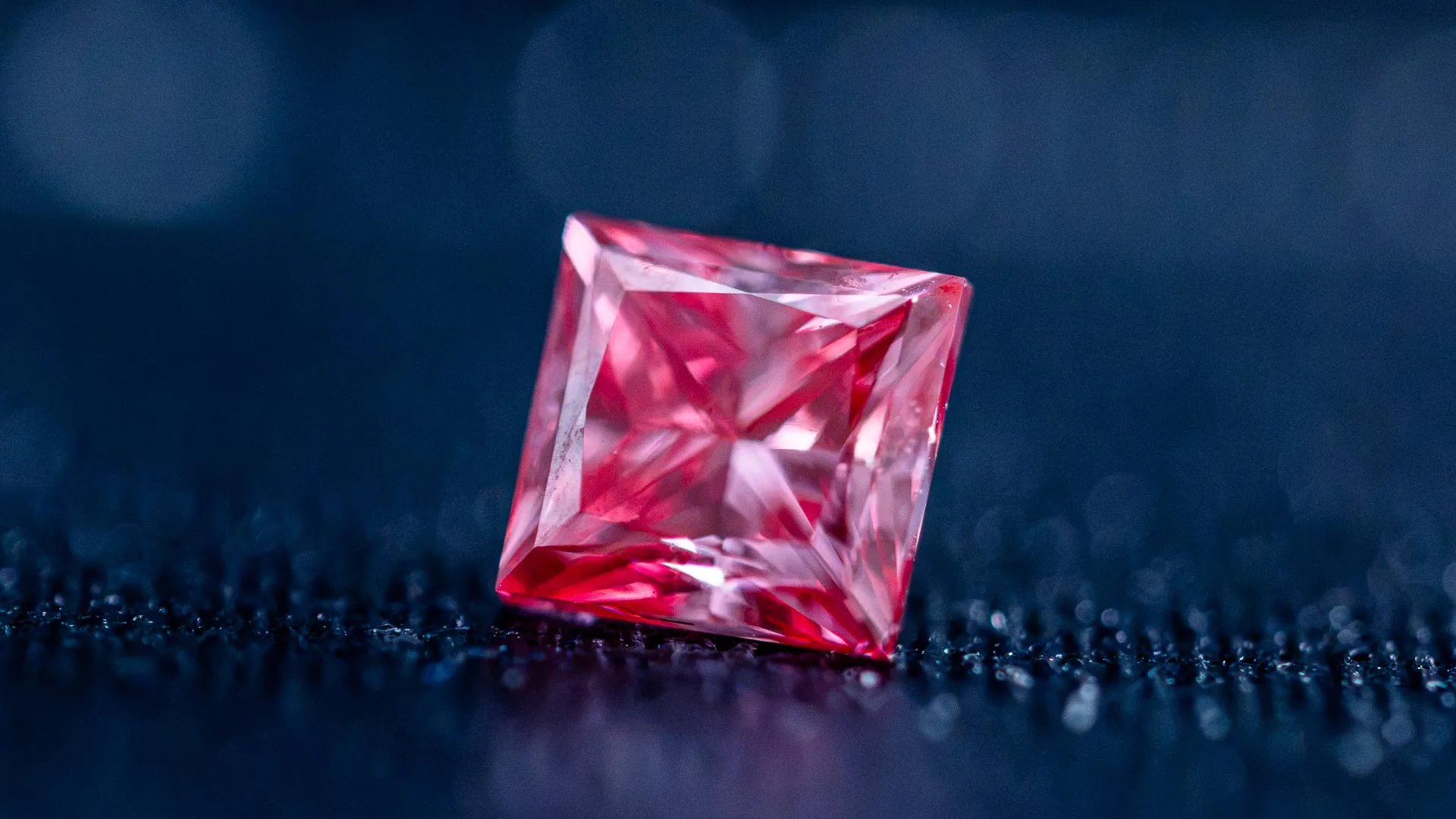
A researcher at the United States Department of Energy's Princeton Plasma Physics Laboratory (PPPL) has developed a computational technique that could significantly accelerate the discovery of diamond-based materials for quantum computing and highly sensitive quantum sensors.
The research, published in ACS Central Science, introduces a chemistry-based approach to investigating the quantum properties of microscopic imperfections within diamond crystals.
Rather than modelling a much larger diamond structure, the technique isolates a small cluster containing between 16 and 30 atoms surrounding a crystal defect and treats it computationally as an individual molecule.
This approach allows researchers to apply established computational chemistry methods to investigate the behaviour of solid-state quantum bits, commonly known as qubits, while substantially reducing computational demands.
Using the new technique, the researcher identified promising diamond defects involving boron and oxygen that could serve as alternative quantum building blocks.
These defects exhibit optical properties that differ from those of conventional nitrogen-vacancy centres, potentially creating opportunities to selectively manipulate different types of qubits within a single quantum device.
The research was conducted by John Mark P. Martirez, a staff research scientist at PPPL.
The findings could contribute to the development of quantum computers and sensors capable of operating under more practical conditions, including room temperature.
𝐖𝐡𝐲 𝐐𝐮𝐚𝐧𝐭𝐮𝐦 𝐂𝐨𝐦𝐩𝐮𝐭𝐢𝐧𝐠 𝐍𝐞𝐞𝐝𝐬 𝐍𝐞𝐰 𝐌𝐚𝐭𝐞𝐫𝐢𝐚𝐥𝐬
One of the major challenges in developing practical quantum technologies is identifying materials capable of maintaining useful quantum states under suitable operating conditions.
Quantum computers rely on qubits to store and process quantum information.
However, the delicate quantum states associated with these systems can be difficult to maintain.
Many materials being investigated for quantum computing require extremely low temperatures to function reliably.
These operating requirements present challenges for the development of practical quantum devices.
Diamond has attracted scientific interest because certain quantum properties associated with defects in its crystal structure can remain useful even at room temperature.
This characteristic makes diamond a promising material for developing quantum computing and sensing technologies.
Quantum sensors could eventually provide levels of sensitivity and measurement precision beyond those achievable with conventional instruments.
Similarly, quantum computers could potentially solve certain highly complex computational problems much faster than today's most powerful supercomputers.
Realising these possibilities, however, requires identifying suitable materials and understanding how their quantum properties can be controlled.
The new computational approach addresses an important part of this challenge by making the investigation of potential diamond-based qubits more efficient.
𝐖𝐡𝐲 𝐈𝐦𝐩𝐞𝐫𝐟𝐞𝐜𝐭 𝐃𝐢𝐚𝐦𝐨𝐧𝐝𝐬 𝐀𝐫𝐞 𝐕𝐚𝐥𝐮𝐚𝐛𝐥𝐞 𝐟𝐨𝐫 𝐐𝐮𝐚𝐧𝐭𝐮𝐦 𝐓𝐞𝐜𝐡𝐧𝐨𝐥𝐨𝐠𝐲
Diamond consists of carbon atoms arranged within a crystalline structure.
Although a flawless diamond may be desirable for other applications, the properties required for certain quantum technologies arise from microscopic irregularities within its atomic arrangement.
These irregularities are known as crystal defects.
A defect can occur when a carbon atom is missing from its normal position within the crystal.
It can also occur when an atom of another element replaces a carbon atom.
In some cases, both types of irregularities occur together.
The atoms surrounding these defects can possess quantum properties that make them suitable for storing, manipulating and retrieving quantum information.
These localised structures can therefore serve as qubits in quantum computing and sensing applications.
The challenge is determining which atomic configurations possess the most useful quantum characteristics.
Different defects can exhibit different responses to light and microwave pulses, making some configurations more promising than others.
Accurately predicting these properties traditionally requires considerable computational resources.
This has limited the efficiency with which researchers can investigate large numbers of possible diamond defects.
The PPPL research introduces a more computationally manageable approach to studying these structures.
𝐓𝐡𝐞 𝐂𝐨𝐦𝐩𝐮𝐭𝐚𝐭𝐢𝐨𝐧𝐚𝐥 𝐂𝐡𝐚𝐥𝐥𝐞𝐧𝐠𝐞 𝐨𝐟 𝐌𝐨𝐝𝐞𝐥𝐥𝐢𝐧𝐠 𝐃𝐢𝐚𝐦𝐨𝐧𝐝 𝐐𝐮𝐛𝐢𝐭𝐬
Understanding the behaviour of diamond-based qubits requires accurate calculations of the quantum properties associated with crystal defects.
Conventional computational approaches can involve modelling relatively large portions of the diamond crystal.
Although the defect itself occupies a small region, accurately describing its quantum behaviour within the surrounding material can require substantial computational effort.
This creates a significant obstacle when researchers want to investigate multiple potential defect configurations.
Each candidate must be evaluated to determine whether its properties make it suitable for quantum information processing or sensing.
Researchers must also understand how these structures respond to external influences, including laser light and microwave pulses.
The computational demands associated with such investigations can make the discovery and evaluation of new qubit candidates difficult.
Martirez addressed this problem by changing how the defects are represented during computational analysis.
Instead of treating the defect primarily as part of a much larger crystalline system, the new approach focuses on a small collection of atoms surrounding the defect.
This allows the problem to be investigated using computational techniques that have been developed extensively within quantum chemistry.
𝐓𝐫𝐞𝐚𝐭𝐢𝐧𝐠 𝐃𝐢𝐚𝐦𝐨𝐧𝐝 𝐐𝐮𝐛𝐢𝐭𝐬 𝐚𝐬 𝐈𝐧𝐝𝐢𝐯𝐢𝐝𝐮𝐚𝐥 𝐌𝐨𝐥𝐞𝐜𝐮𝐥𝐞𝐬
The central innovation of the research is a method that treats localised diamond defects as embedded molecular systems.
Martirez computationally isolates a small atomic region containing the defect and its surrounding atoms.
The resulting cluster contains approximately 16 to 30 atoms.
Rather than performing calculations involving a much larger diamond structure, the researcher analyses this localised cluster using established computational chemistry techniques.
These methods have been refined by chemists over several decades to investigate the quantum properties of molecular systems.
By representing the defect as a molecular structure, Martirez substantially reduces the complexity of the calculations.
The approach makes the computational cost of investigating certain diamond defects comparable to that of modelling relatively simple molecules.
Importantly, the technique retains the high level of accuracy required to investigate the relevant quantum properties.
This allows researchers to evaluate potential qubits more efficiently without relying exclusively on computationally demanding calculations involving larger crystal structures.
The method provides a different perspective on solid-state quantum materials.
Instead of approaching the defects solely through the physics of extended crystalline structures, it makes their local chemical environment a central part of the investigation.
𝐏𝐫𝐞𝐝𝐢𝐜𝐭𝐢𝐧𝐠 𝐇𝐨𝐰 𝐐𝐮𝐛𝐢𝐭𝐬 𝐑𝐞𝐬𝐩𝐨𝐧𝐝 𝐭𝐨 𝐋𝐢𝐠𝐡𝐭 𝐚𝐧𝐝 𝐌𝐢𝐜𝐫𝐨𝐰𝐚𝐯𝐞𝐬
An important requirement for diamond-based quantum technologies is the ability to interact with the quantum states associated with crystal defects.
Scientists use laser light and microwave pulses to manipulate these states and retrieve information.
The suitability of a particular defect therefore depends partly on how it responds to these external influences.
Accurately predicting such responses can help researchers determine whether a candidate possesses useful characteristics for quantum information processing or sensing.
The molecular modelling approach developed at PPPL makes these calculations considerably more efficient.
Researchers can investigate how different atomic configurations respond to laser illumination and microwave pulses without performing the same computationally expensive calculations associated with larger crystal models.
This capability is particularly valuable when searching for alternative qubit structures.
Instead of restricting investigations to established defects, scientists can evaluate additional configurations involving different chemical elements.
The new approach has already enabled the identification of promising defects involving boron and oxygen.
These candidates exhibit optical characteristics that distinguish them from the nitrogen-vacancy centres traditionally investigated in diamond-based quantum research.
𝐓𝐡𝐞 𝐍𝐢𝐭𝐫𝐨𝐠𝐞𝐧-𝐕𝐚𝐜𝐚𝐧𝐜𝐲 𝐂𝐞𝐧𝐭𝐫𝐞: 𝐀𝐧 𝐄𝐬𝐭𝐚𝐛𝐥𝐢𝐬𝐡𝐞𝐝 𝐃𝐢𝐚𝐦𝐨𝐧𝐝 𝐐𝐮𝐛𝐢𝐭
Much of the existing research on diamond-based quantum technologies has focused on a crystal defect known as the nitrogen-vacancy centre.
This structure forms when a nitrogen atom replaces a carbon atom within the diamond crystal.
An adjacent position that would normally contain another carbon atom remains empty.
The combination of the nitrogen atom and the neighbouring vacancy produces a localised defect with useful quantum properties.
These properties allow scientists to investigate the defect as a potential qubit for quantum computing and sensing.
Laser illumination and microwave pulses can be used to interact with its quantum states.
When the nitrogen-vacancy centre occupies a particular quantum state, it can emit red light under laser illumination.
This optical response provides a means of obtaining information about the quantum system.
Although nitrogen-vacancy centres have received considerable scientific attention, they represent only one type of defect that can potentially be created within diamond.
The new computational approach provides an opportunity to investigate alternative configurations and determine whether they possess different or complementary quantum characteristics.
𝐁𝐨𝐫𝐨𝐧 𝐚𝐧𝐝 𝐎𝐱𝐲𝐠𝐞𝐧 𝐃𝐞𝐟𝐞𝐜𝐭𝐬 𝐄𝐦𝐞𝐫𝐠𝐞 𝐚𝐬 𝐍𝐞𝐰 𝐐𝐮𝐛𝐢𝐭 𝐂𝐚𝐧𝐝𝐢𝐝𝐚𝐭𝐞𝐬
Using the molecular modelling technique, Martirez identified promising diamond defects involving boron and oxygen.
These defects exhibit optical properties that differ from those associated with conventional nitrogen-vacancy centres.
While nitrogen-vacancy centres can emit red light, the investigated oxygen defects can produce blue light.
Defects involving boron, meanwhile, exhibit ultraviolet emission.
These differences are particularly interesting because light plays an important role in the manipulation and readout of diamond-based qubits.
The identification of defects with distinct optical responses expands the range of potential quantum building blocks available for investigation.
It also demonstrates how changing the chemical composition of a localised defect can influence its optical behaviour.
The results suggest that diamond-based quantum technologies may benefit from investigating a wider variety of atomic configurations rather than concentrating exclusively on nitrogen-vacancy centres.
However, the identification of boron- and oxygen-related defects as promising candidates does not establish that they are already suitable for every quantum computing application.
The reported findings concern their predicted properties and potential usefulness.
Their performance within practical quantum devices remains a subject for further investigation.
𝐀 𝐒𝐩𝐞𝐜𝐭𝐫𝐮𝐦 𝐨𝐟 𝐐𝐮𝐚𝐧𝐭𝐮𝐦 𝐂𝐨𝐥𝐨𝐮𝐫𝐬
One of the most intriguing aspects of the research is the possibility of using diamond defects with different optical responses within the same quantum system.
The investigated defects exhibit three distinct emission characteristics:
Nitrogen-vacancy centres: Red light.
Oxygen-related defects: Blue light.
Boron-related defects: Ultraviolet light.
These differences could provide a basis for distinguishing between different types of qubits within a single device.
Because the defects exhibit different optical responses, researchers may eventually be able to interact selectively with one type of qubit without disturbing another.
Martirez suggested that combining qubits with different responses could allow scientists to probe particular quantum systems independently.
Such an approach could create additional opportunities for controlling quantum information in devices containing multiple types of qubits.
Rather than relying entirely on identical quantum building blocks, researchers could potentially combine defects with complementary characteristics.
The findings therefore highlight the importance of investigating the relationship between the chemical composition of a diamond defect and its optical behaviour.
However, the study does not demonstrate a functioning quantum device containing nitrogen-, oxygen- and boron-related qubits operating together.
Selective control of multiple defect types remains a potential application of the reported findings.
𝐃𝐞𝐬𝐢𝐠𝐧𝐢𝐧𝐠 𝐐𝐮𝐛𝐢𝐭𝐬 𝐔𝐬𝐢𝐧𝐠 𝐭𝐡𝐞 𝐏𝐫𝐢𝐧𝐜𝐢𝐩𝐥𝐞𝐬 𝐨𝐟 𝐂𝐡𝐞𝐦𝐢𝐬𝐭𝐫𝐲
Beyond accelerating computational calculations, the research proposes a broader change in how scientists investigate and potentially design solid-state qubits.
Diamond-based quantum materials have traditionally been studied largely through the principles of physics.
However, their useful quantum properties also depend on the chemical characteristics of the atoms surrounding crystal defects.
Martirez argues that the extensive knowledge developed within chemistry could provide valuable tools for understanding these systems.
Chemists have spent decades investigating how atomic composition and molecular structure influence the properties of chemical systems.
By treating diamond defects as embedded molecular structures, researchers can apply this knowledge to solid-state quantum materials.
The approach could eventually support the design of qubits with properties suited to particular functions.
Martirez compared this possibility with the way chemists design specialised molecules for specific applications, including the development of pharmaceutical compounds.
A similar approach could potentially allow researchers to investigate which atomic configurations produce desirable quantum characteristics.
The objective would be to move beyond identifying promising defects towards deliberately engineering them for particular quantum applications.
Although this capability remains a future research direction, the molecular modelling technique provides a computational foundation for exploring it.
𝐖𝐡𝐲 𝐑𝐨𝐨𝐦-𝐓𝐞𝐦𝐩𝐞𝐫𝐚𝐭𝐮𝐫𝐞 𝐐𝐮𝐚𝐧𝐭𝐮𝐦 𝐌𝐚𝐭𝐞𝐫𝐢𝐚𝐥𝐬 𝐌𝐚𝐭𝐭𝐞𝐫
Many materials investigated for quantum technologies require extremely low operating temperatures to maintain useful quantum states.
Diamond is particularly attractive because certain defects can retain useful quantum properties at room temperature.
This characteristic creates opportunities for developing quantum technologies that operate under more practical conditions.
The discovery of additional diamond-based qubit candidates could expand the range of materials available for such research.
By accelerating the computational investigation of defects, the new technique could help scientists identify atomic configurations with properties suitable for future quantum applications.
Nevertheless, room-temperature quantum behaviour in a material does not automatically establish that a complete quantum computer can operate successfully at room temperature.
The development of practical quantum computers requires suitable qubits to be incorporated into functioning systems.
The reported research addresses the discovery and computational understanding of potential quantum building blocks rather than the construction of an operational quantum computer.
Its contribution lies in making the search for promising diamond-based materials more efficient.
𝐏𝐨𝐭𝐞𝐧𝐭𝐢𝐚𝐥 𝐀𝐩𝐩𝐥𝐢𝐜𝐚𝐭𝐢𝐨𝐧𝐬 𝐢𝐧 𝐇𝐢𝐠𝐡𝐥𝐲 𝐒𝐞𝐧𝐬𝐢𝐭𝐢𝐯𝐞 𝐐𝐮𝐚𝐧𝐭𝐮𝐦 𝐒𝐞𝐧𝐬𝐨𝐫𝐬
The potential applications of diamond defects extend beyond quantum computing.
Quantum sensors use quantum properties to perform measurements with potentially exceptional sensitivity and precision.
Diamond-based defects are being investigated as possible components of these technologies.
Their ability to interact with laser light and microwave pulses provides a means of manipulating and retrieving information from their quantum states.
The discovery of additional defect configurations could expand the range of materials available for quantum sensing research.
Different optical responses may also provide opportunities to investigate sensing systems that incorporate more than one type of quantum defect.
The computational technique developed at PPPL could help researchers evaluate such candidates more efficiently.
By reducing the computational demands of predicting defect behaviour, the approach could accelerate investigations into materials with useful sensing characteristics.
However, the reported study does not demonstrate a newly developed quantum sensor or provide quantitative measurements of improved sensing performance.
The immediate achievement is the identification and computational investigation of promising quantum materials.
𝐇𝐨𝐰 𝐐𝐮𝐚𝐧𝐭𝐮𝐦 𝐂𝐡𝐞𝐦𝐢𝐬𝐭𝐫𝐲 𝐂𝐨𝐮𝐥𝐝 𝐇𝐞𝐥𝐩 𝐀𝐝𝐯𝐚𝐧𝐜𝐞 𝐂𝐡𝐞𝐦𝐢𝐬𝐭𝐫𝐲 𝐈𝐭𝐬𝐞𝐥𝐟
Martirez also highlighted a broader possibility arising from the relationship between quantum chemistry and quantum computing.
Computational chemistry provides methods for investigating the properties of materials that could be used to construct quantum technologies.
If those technologies eventually become sufficiently advanced, they could in turn provide more powerful tools for studying chemical systems.
This creates the possibility of a mutually beneficial relationship between the two fields.
Quantum chemistry could contribute to the development of quantum computers, while future quantum computers could improve the accuracy of chemical calculations.
A practical quantum system containing multiple qubits could potentially allow researchers to investigate increasingly complex molecular structures.
These could include large molecules, biological molecules and proteins.
Such capabilities could improve scientists' understanding of molecular behaviour and support investigations that are difficult to perform using conventional computational methods.
Martirez described this possibility as an opportunity for quantum chemistry to contribute to its own advancement through the technologies it helps create.
The potential benefits could extend to pharmaceutical science, materials science and fundamental molecular research.
However, these applications depend on the successful development of practical quantum computing systems.
They are not direct computational achievements demonstrated by the current study.
𝐏𝐨𝐭𝐞𝐧𝐭𝐢𝐚𝐥 𝐈𝐦𝐩𝐥𝐢𝐜𝐚𝐭𝐢𝐨𝐧𝐬 𝐟𝐨𝐫 𝐏𝐡𝐚𝐫𝐦𝐚𝐜𝐞𝐮𝐭𝐢𝐜𝐚𝐥 𝐚𝐧𝐝 𝐌𝐚𝐭𝐞𝐫𝐢𝐚𝐥𝐬 𝐑𝐞𝐬𝐞𝐚𝐫𝐜𝐡
Accurately understanding complex molecular systems is important across several areas of science and technology.
Pharmaceutical research depends on understanding the characteristics and behaviour of chemical compounds and biological molecules.
Materials science similarly relies on understanding how atomic and molecular structures influence material properties.
Future quantum computers could potentially provide more accurate computational descriptions of such systems.
According to Martirez, this capability could improve the investigation of larger molecules, biomolecules and proteins.
More accurate descriptions of molecular behaviour could support advances in pharmaceutical development and materials research.
They could also deepen scientists' fundamental understanding of chemical systems.
The present research contributes indirectly to these possibilities by providing a more efficient approach to investigating potential quantum computing materials.
Its immediate objective is not the simulation of proteins, the discovery of new medicines or the development of commercial materials.
Instead, it addresses an earlier challenge in the development of quantum technologies: identifying and understanding suitable quantum building blocks.
The broader industrial and scientific benefits remain dependent on future advances in quantum computing.
𝐁𝐫𝐢𝐝𝐠𝐢𝐧𝐠 𝐭𝐡𝐞 𝐆𝐚𝐩 𝐁𝐞𝐭𝐰𝐞𝐞𝐧 𝐂𝐡𝐞𝐦𝐢𝐬𝐭𝐫𝐲 𝐚𝐧𝐝 𝐒𝐨𝐥𝐢𝐝-𝐒𝐭𝐚𝐭𝐞 𝐏𝐡𝐲𝐬𝐢𝐜𝐬
The research also highlights the importance of interdisciplinary collaboration in developing quantum technologies.
The construction of advanced quantum computers is frequently viewed as a challenge primarily associated with physics.
However, Martirez argues that chemists possess extensive knowledge that could contribute significantly to understanding solid-state defects.
Their experience in investigating molecular structures, chemical environments and quantum properties can be applied to localised defects within crystalline materials.
The molecular modelling approach demonstrates how computational chemistry techniques can be transferred to problems traditionally investigated within solid-state physics.
By combining these perspectives, researchers may develop more efficient methods for identifying promising quantum materials and understanding their behaviour.
This collaboration could eventually support the deliberate engineering of qubits with characteristics suited to particular technological applications.
Martirez hopes the research will encourage more chemists to participate in the investigation of solid-state quantum systems.
The findings suggest that progress towards advanced quantum technologies could benefit from combining expertise developed across both disciplines.
𝐖𝐡𝐚𝐭 𝐭𝐡𝐞 𝐒𝐭𝐮𝐝𝐲 𝐀𝐜𝐭𝐮𝐚𝐥𝐥𝐲 𝐃𝐞𝐦𝐨𝐧𝐬𝐭𝐫𝐚𝐭𝐞𝐝
The Princeton Plasma Physics Laboratory research introduces a computationally efficient method for investigating diamond-based solid-state qubits.
By isolating clusters containing between 16 and 30 atoms around crystal defects, Martirez developed an approach that allows these structures to be analysed using established molecular quantum chemistry techniques.
The method substantially reduces the computational complexity associated with investigating diamond defects while retaining the accuracy needed to predict their quantum properties.
It also enables more efficient calculations of how potential qubits respond to laser light and microwave pulses.
Using this approach, the researcher identified promising defects involving oxygen and boron.
These candidates exhibit optical emission characteristics that differ from the red emission associated with conventional nitrogen-vacancy centres.
The findings suggest that combining different types of diamond defects could eventually support selective interactions with individual groups of qubits.
However, the research does not demonstrate a complete room-temperature quantum computer, a functioning multi-defect quantum processor or a quantum system capable of outperforming conventional supercomputers.
The supplied report also does not provide a numerical benchmark for the computational speed improvement.
The principal achievement is the development of a more efficient computational framework for discovering and understanding potential quantum materials.
𝐀 𝐍𝐞𝐰 𝐏𝐚𝐭𝐡𝐰𝐚𝐲 𝐓𝐨𝐰𝐚𝐫𝐝𝐬 𝐃𝐢𝐚𝐦𝐨𝐧𝐝-𝐁𝐚𝐬𝐞𝐝 𝐐𝐮𝐚𝐧𝐭𝐮𝐦 𝐓𝐞𝐜𝐡𝐧𝐨𝐥𝐨𝐠𝐲
The research represents an important development in the computational investigation of solid-state quantum materials.
By treating diamond defects as embedded molecular structures, Martirez has introduced an approach that connects established quantum chemistry techniques with the discovery of potential qubits.
The identification of boron- and oxygen-related defects expands the range of diamond-based quantum building blocks available for investigation.
Their distinct optical responses also raise the possibility of developing quantum systems containing different types of qubits that can be selectively manipulated.
The findings could contribute to future advances in quantum computing, high-precision sensing and the computational investigation of complex molecular systems.
Although practical applications remain a longer-term objective, the research addresses a significant obstacle in quantum materials discovery by reducing the computational demands of evaluating potential candidates.
It also demonstrates how knowledge developed within chemistry could contribute to solving important challenges in solid-state physics and quantum technology.
The research was supported by PPPL's Laboratory Directed Research and Development programme under prime contract DE-AC02-09CH11466, with additional support from the United States Department of Energy's Office of Science, Office of Fusion Energy Sciences.
𝐑𝐞𝐬𝐞𝐚𝐫𝐜𝐡 𝐑𝐞𝐟𝐞𝐫𝐞𝐧𝐜𝐞
J. M. P. Martirez, “A Chemist’s Guide to Solid-State Qubits: Diamond Color Centers as Embedded Vacancy-Centered Molecules,” ACS Central Science 12 (10), 1578 (2026). https://doi.org/10.1021/acscentsci.6c00548