Sep072026
Application deadline
View prize details
NSPS Best PhD Thesis Prize 2026
Applications are open for five prizes recognising outstanding doctoral research across the physical sciences.
NSPS is a learned academic society promoting research, conferences, peer-reviewed publications, professional membership, prizes, and scientific recognition across the physical sciences.
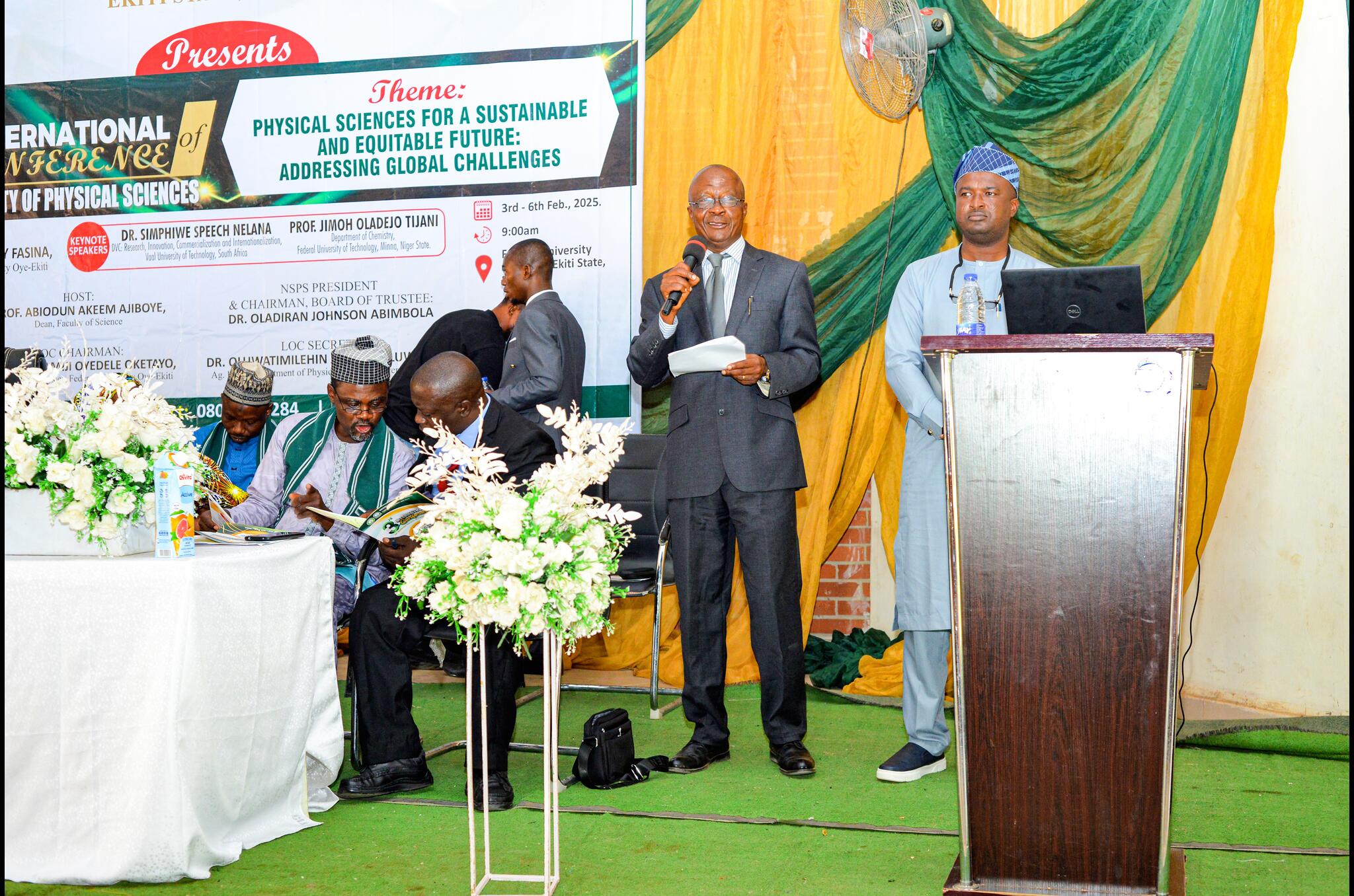
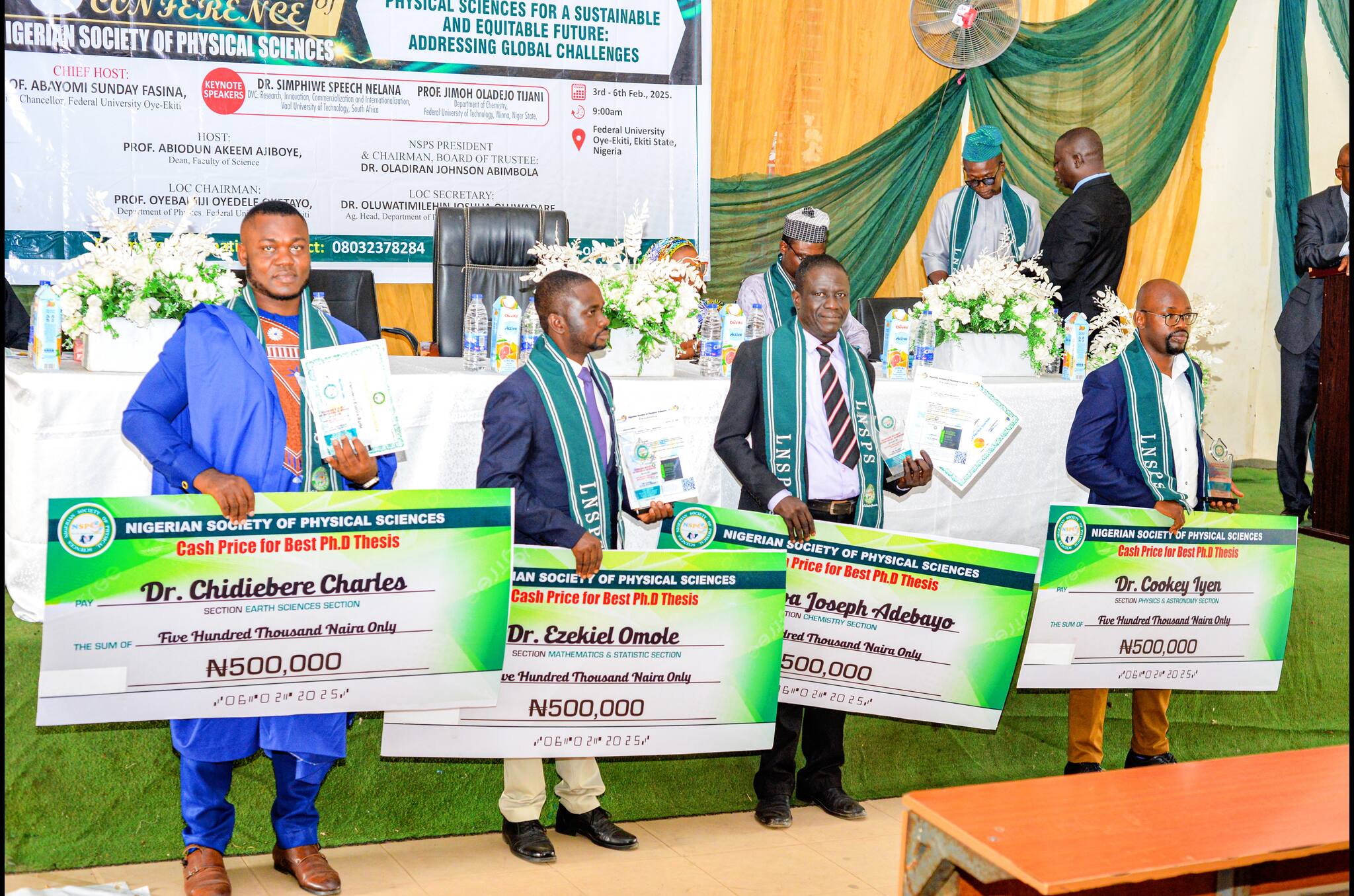
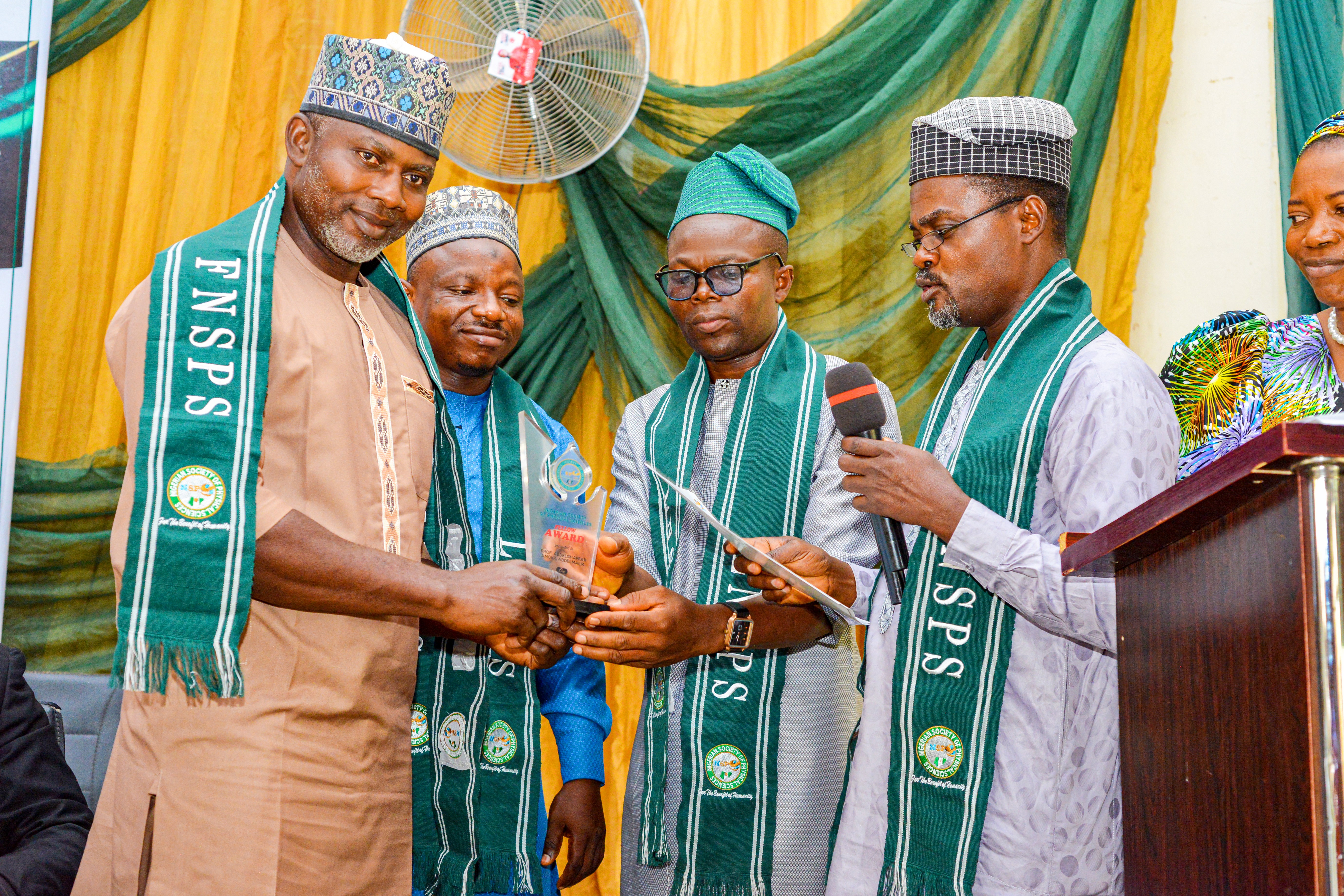
Calls, conferences, ceremonies, and dates worth adding to your calendar.
Applications are open for five prizes recognising outstanding doctoral research across the physical sciences.
Meet the researchers whose doctoral work is advancing the frontiers of the physical sciences in Nigeria.
Landmark University, Omu Aran, Kwara
Adekunle Ajasin University, Akungba Akoko, Ondo
Redeemer's University, Ede, Osun
Covenant University, Sango Ota, Ogun
Ahmadu Bello University, Zaria, Kaduna
NSPS brings researchers, educators, reviewers, students, and scientific leaders together to strengthen scholarship and public impact across the physical sciences.
Support discovery, publication, and interdisciplinary collaboration.
Create meaningful connections across disciplines and career stages.
Celebrate research, reviewing, fellowship, and scientific leadership.
Original research and scholarly contributions across the physical sciences.
Open accessResearch outputs and reports across scientific disciplines.
ProceedingsConference papers, scientific proceedings, and scholarly records.
Discover research updates, Society news, and achievements from across the NSPS community.
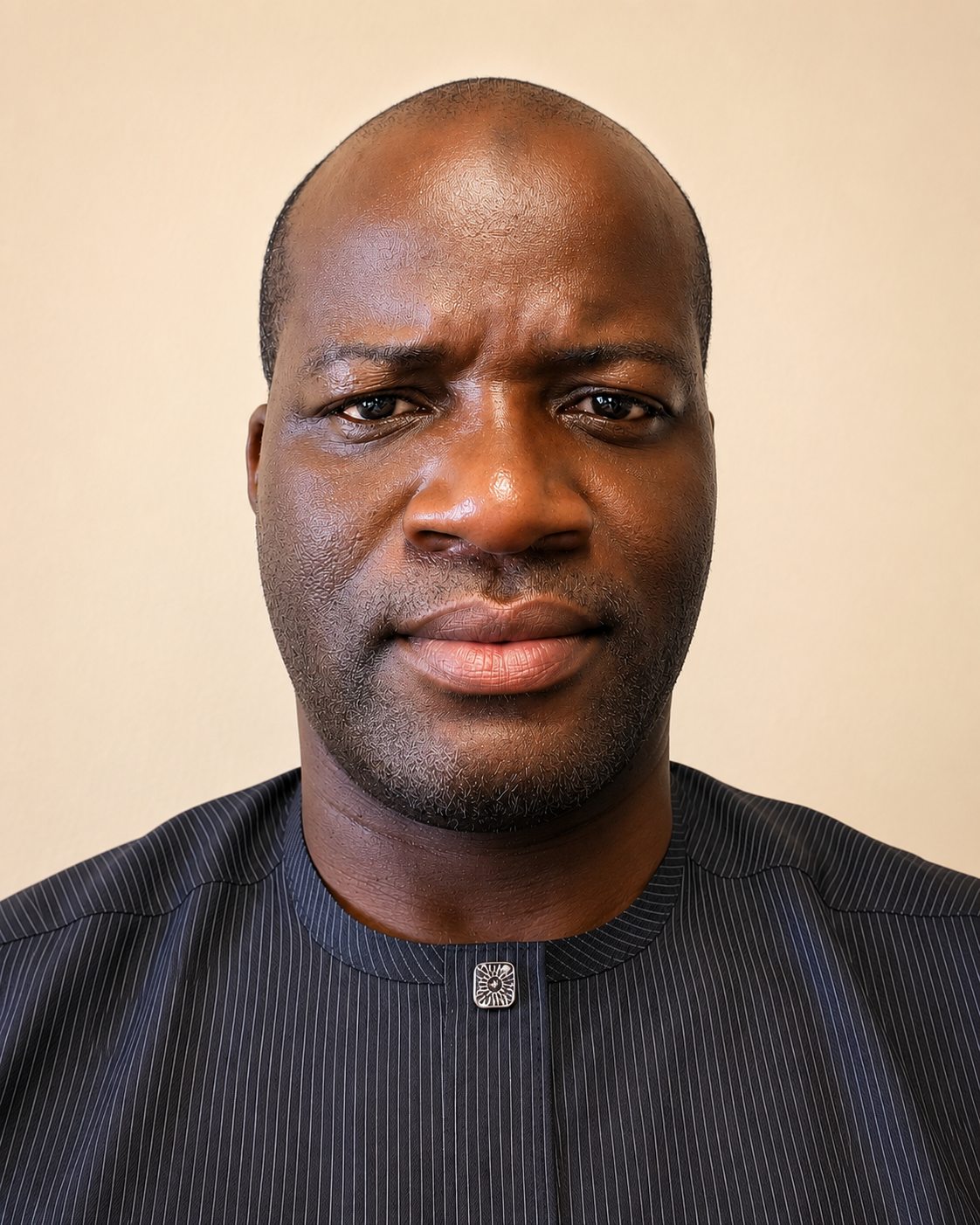
The Nigerian Society of Physical Sciences is pleased to celebrate 𝐃𝐫. 𝐀𝐦𝐮𝐬𝐚𝐭 𝐑𝐚𝐦𝐨𝐧𝐢 𝐎𝐥𝐚𝐰𝐚𝐥𝐞 as our Spotlight Member of the Week. How solar-energy systems can be made more efficient when sunlight, temperature, shading, and environmental conditions are constantly changing and how physics, mathematical modelling, and computational methods can be transformed into practical solutions for the energy challenges faced by developing countries, are important questions that lie at the centre of Dr. Amusat’s scientific journey.
Read story
Researchers have proposed an unusual new quantum bit built around superfluid helium-3 that calculations suggest could be around 100 times less error-prone than conventional superconducting qubits. The concept, developed by scientists at the University of Surrey in collaboration with Northwestern University, aims to tackle one of quantum computing’s biggest problems: protecting extremely fragile quantum information from environmental noise. Instead of storing information primarily in electrically charged superconducting circuits, the proposed device would exploit quantized mechanical oscillations in electrically neutral superfluid helium. Because the superfluid carries no electric charge, researchers predict that the system could be naturally less sensitive to some forms of electromagnetic and electrical noise that disturb today's quantum processors. The device remains theoretical and has not yet been experimentally demonstrated. The team's next major step is to build a prototype and test whether the predicted reduction in errors can be achieved in practice.
Read story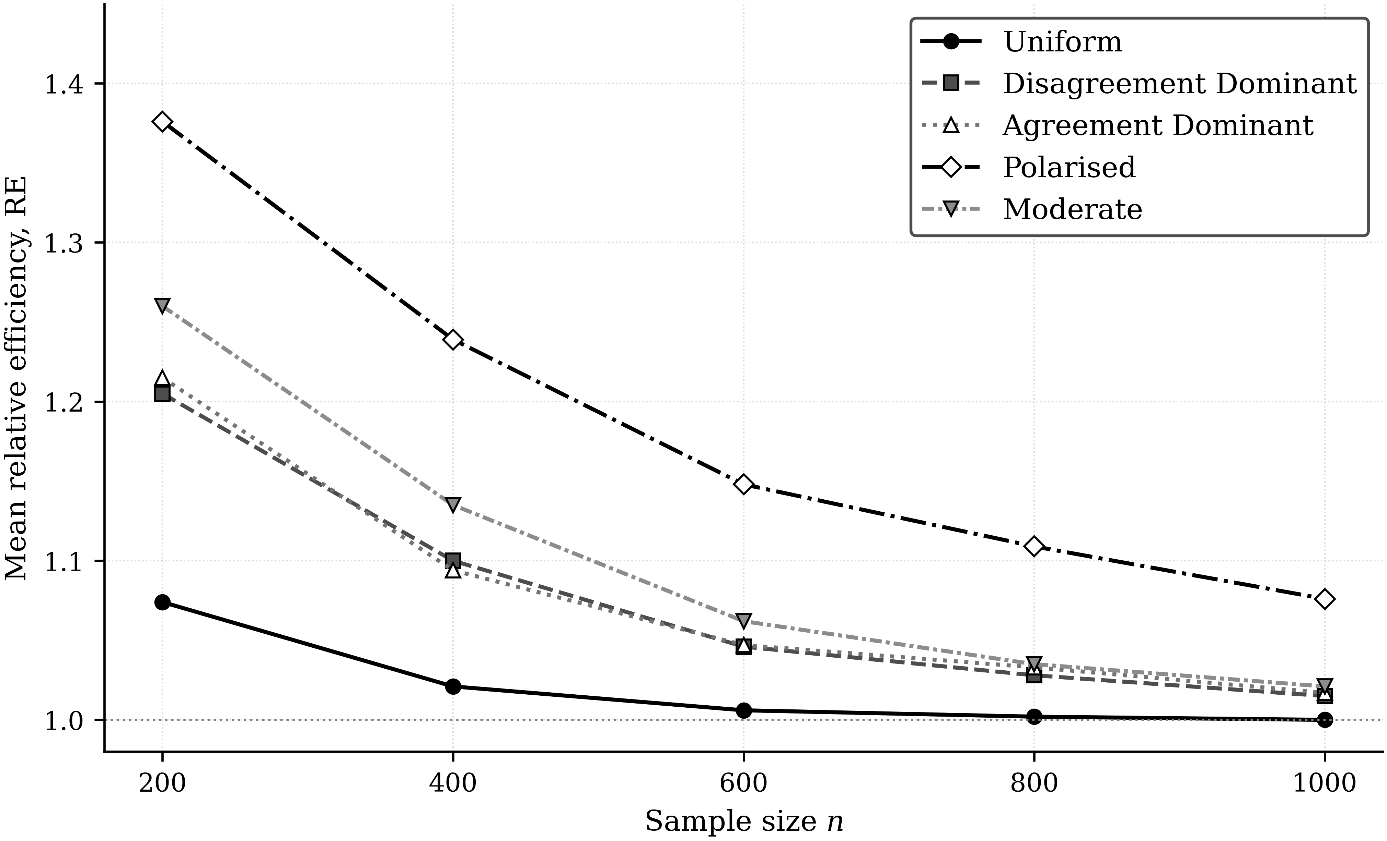
A recent study published in African Scientific Reports developed a maximum-likelihood framework for analysing sensitive four-category ordinal survey responses using a randomized-response mechanism based on a six-sided die. The approach protects respondent privacy while allowing the underlying category probabilities to be identified from scrambled responses. Because the true response category remains hidden, the study uses an expectation-maximization algorithm with closed-form updates to estimate the population distribution. Across five simulated response distributions and sample sizes up to 1,000, the maximum-likelihood estimator reduced mean squared error by up to 27% at n = 200 for polarized distributions and avoided the invalid probability estimates that affected the method-of-moments estimator in more than half of small polarized samples. The framework therefore provides a practical way to measure sensitive ordinal outcomes while preserving respondent trust.
Read storyJoin NSPS, contribute as a reviewer, access professional recognition, and connect your work to a national community of physical scientists.