𝗔 𝗖𝗼𝗺𝗽𝗮𝗿𝗮𝘁𝗶𝘃𝗲 𝗦𝘁𝘂𝗱𝘆 𝗼𝗳 𝗗𝗲𝗲𝗽 𝗟𝗲𝗮𝗿𝗻𝗶𝗻𝗴 𝗔𝗿𝗰𝗵𝗶𝘁𝗲𝗰𝘁𝘂𝗿𝗲𝘀 𝗳𝗼𝗿 𝗣𝗮𝗿𝘁𝗶𝗰𝘂𝗹𝗮𝘁𝗲 𝗠𝗮𝘁𝘁𝗲𝗿 𝗣𝗿𝗲𝗱𝗶𝗰𝘁𝗶𝗼𝗻 𝗶𝗻 𝗟𝘂𝗴𝗯𝗲, 𝗙𝗖𝗧 𝗔𝗯𝘂𝗷𝗮, 𝗡𝗶𝗴𝗲𝗿𝗶𝗮
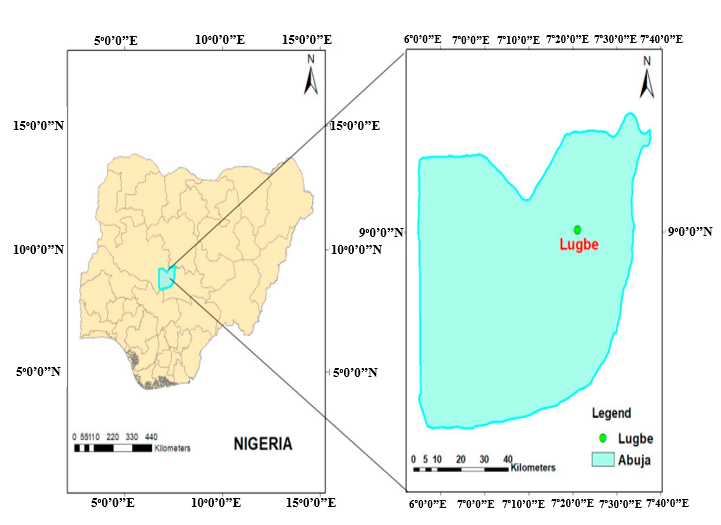
A recent study published in African Scientific Reports compared RNN, LSTM, and CNN–BiLSTM architectures for predicting PM₂.₅ and PM₁₀ concentrations in Lugbe, FCT Abuja, Nigeria. The models were trained using more than 1.2 million air-quality and meteorological data entries and used two-hour sliding windows to generate short-term forecasts. All three models performed strongly for PM₂.₅, achieving R² values above 0.90, while Model 2, based on LSTM, produced the most balanced results with an MAE of 2.898 µg/m³, RMSE of 6.453 µg/m³, MAPE of 7.7013%, and R² of 0.9166. PM₁₀ prediction was more difficult, with R² values ranging from 0.7037 to 0.7348, although Model 2 again achieved the best overall generalization with the lowest RMSE and highest R². The findings show that deep learning is effective for particulate-matter forecasting in Lugbe, particularly for PM₂.₅, while the greater variability of PM₁₀ remains a challenge for accurate prediction.
Read more