Can waste cooking oil become a sustainable raw material for producing polyurethane materials?
This study investigates the production of biodegradable polyurethane using waste sunflower cooking oil as a renewable feedstock.
The researchers synthesized and optimized mixed petroleum–sunflower polyols under different reaction times and oil-to-glycerol molar ratios, using a fixed sodium hydroxide catalyst concentration.
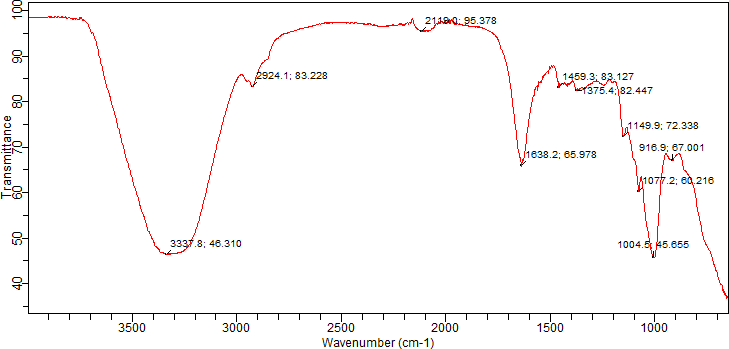
Fourier transform infrared spectroscopy was used to characterize the polyols, while the resulting polyurethane samples were evaluated for physical properties, mechanical and structural performance, chemical resistance, and stress–strain behaviour.
The highest polyol yield obtained was 60.1% at an oil-to-glycerol molar ratio of 4:1, a reaction time of 80 minutes, a sodium hydroxide catalyst concentration of 1.0% w/w, and a temperature of 250 °C.
Among the polyurethane formulations tested, SuPU-30:20 showed the best overall balance of properties.
It recorded a tensile strength of 14 kPa, an elevation of 52 mm, porosity of 16, a weight of 14.9 g, and a 40% compression value of 36.5.
The formulation also demonstrated good resistance to chemical attack.
The findings suggest that waste sunflower cooking oil can serve as a promising sustainable feedstock for polyurethane production.
The SuPU-30:20 formulation approached the performance range of commercial flexible foams in tensile strength and density, although its porosity and elevation remained below typical values.
Overall, the study highlights the potential of converting waste vegetable oil into useful polyurethane materials while reducing reliance on conventional petroleum-derived resources.
📖 Read the full article here:
https://doi.org/10.61298/terratmosphera.2026.1.2.407
Published in: Terratmosphera