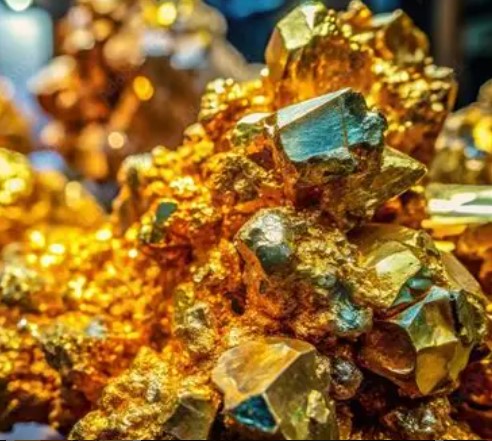
Beneath the surface of a relatively small number of countries lies an extraordinary concentration of the world's most valuable mineral resources. These mineral reserves are essential to modern civilization, providing the raw materials needed for energy production, transportation, construction, agriculture, telecommunications, and advanced technologies. Minerals such as iron ore, copper, lithium, cobalt, gold, phosphate, and rare earth elements are critical components in everything from skyscrapers and bridges to smartphones, electric vehicles, batteries, and renewable energy systems. As global demand for clean energy and technological innovation continues to grow, the strategic importance of these mineral-rich regions has become even more significant.
The distribution of mineral wealth across the globe is far from random. Geological processes that occurred over millions or even billions of years have concentrated valuable minerals in specific regions. Ancient volcanic activity, tectonic plate movements, hydrothermal fluid circulation, sedimentary basin development, and the formation of ancient continental shields have all played major roles in creating economically viable mineral deposits. For example, Australia possesses some of the world's largest reserves of iron ore, lithium, and bauxite; Chile is renowned for its vast copper deposits; the Democratic Republic of Congo hosts the largest known cobalt reserves; South Africa contains significant deposits of platinum group metals and gold; while China dominates global rare earth element reserves and production. These geological advantages have positioned such countries as key players in the global minerals market.
Many of the world's largest mineral reserves are concentrated in distinct geological provinces. Iron ore is abundant in Australia's Pilbara region and Brazil's Carajás Basin, while extensive lithium resources occur in the "Lithium Triangle" of Chile, Argentina, and Bolivia. Major copper reserves are found along the Andes Mountains of South America, particularly in Chile and Peru. The Democratic Republic of Congo's Copperbelt contains vast cobalt and copper resources, whereas South Africa's Bushveld Complex hosts the largest platinum deposits on Earth. Significant phosphate reserves occur in Morocco and Western Sahara, accounting for a substantial portion of global resources, while Canada and Russia possess enormous reserves of potash used in fertilizer production. These mineral-rich regions not only support national economies but also play a critical role in global supply chains, making them strategically important for economic development, industrial growth, and energy security worldwide.